A member can contribute $3,600 per person or $7,200 for household coverage to an HSA strategy per year. People over 55 can contribute another $1,000 on top of those limitations. Contributions are tax-deductible. A company can likewise put cash into the account to help you pay for health care. HDHP-qualifying strategies need to have a deductible of at least $1,400 for individuals and $2,800 for families in 2020.
HSAs are a method to conserve money for your health care, however we found that many with HSAs aren't contributing to their accounts. Eighteen percent in the Insure study said they don't contribute anything to their HSA. For those who contribute, here's just how much they're putting aside: $501 to $1,000-- 16%$ 1,001 to $2,000-- 15%$ 2,001 to $3,000-- 15% More than $3,000-- 14% Less than $500-- 8% Employers can also contribute money to cost savings accounts to assist staff members spend for health care.
Here's what employers are contributing: $501 to $1,000-- 20%$ 1,001 to $2,000-- 17%$ 2,001 to $3,000-- 12% Less than $500-- 11% More than $3,000-- 7% You can take your HSA with you when you leave a company, however you can't add to an HSA again unless you have an HDHP.
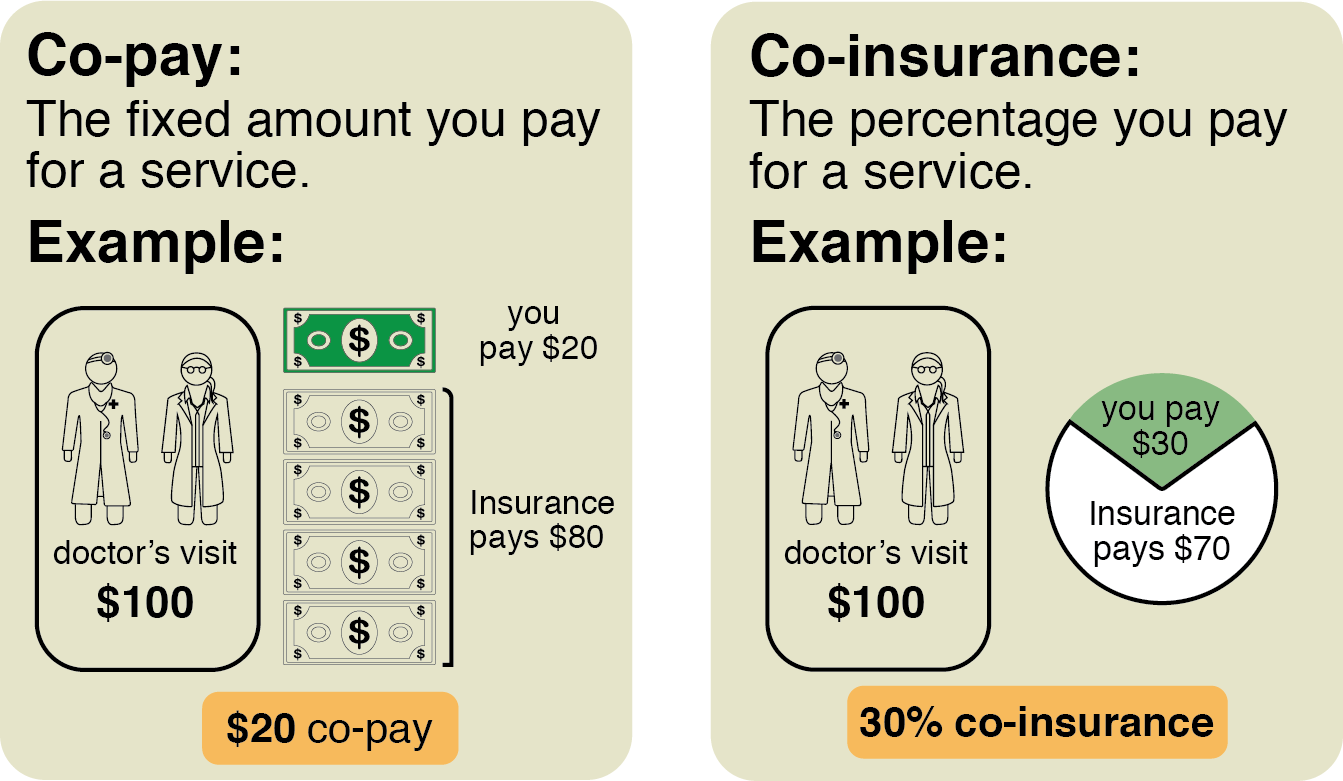
A Bronze strategy insurer picks up 60% of your health care costs. You handle the remaining 40%. A Silver strategy pays 70% and you pay 30%. Much like a high deductible strategy in the employer-based market, Bronze and Silver strategies offer lower premiums with greater out-of-pocket costs. Another choice for people who desire low premiums is short-term health plans.
They're not technically classified as health insurance coverage strategies. Short-term strategies don't meet the ACA protection requirements of what the federal government considers medical insurance. These plans typically don't offer many advantages. For instance, you may have difficulty discovering a short-term plan with maternity, mental health or prescription drug protection. Short-term strategies are available for as much as a year and you can restore 2 more times.
Nevertheless, some states prohibited the strategies and others restrict them to less months, such as just 3 or 6 months (how does health insurance deductible work). Short-term plans use less protection than a regular high deductible or ACA plan. So, if you have an interest in these low-cost plans, you'll require to read the small print to determine what the plan in fact covers.
The smart Trick of How Much Do Prescription Additional reading Drugs Cost Without Insurance? That Nobody is Talking About
Selecting a health plan depends on your options, finances, companies and what you want from your plan. An HDHP can be the ideal plan if you don't expect to need much healthcare over the next year. Nevertheless, if you have a growing family or expect to require medical services, you may want to discover a strategy with lower out-of-pocket costs.
HDHPs have greater out-of-pocket expenses than other health strategies. That doesn't suggest you ought to delay health care to avoid those expenses. Preventing care might wind up costing you more in the long run and can injure your quality of life. Do not delay preventive care either. Health insurance should provide complimentary preventive care like an annual physical.
Having to invest more on healthcare services implies it's important that you go shopping around for care. You can inspect with medical professionals and facilities to determine the most cost-efficient alternatives. You'll likewise wish to examine quality ratings. It might not make good sense if you go to an inexpensive center with lousy quality scores.
Health insurance have agreements with suppliers. These providers are thought about in-network. In-network service providers will cost you less than getting out-of-network care. PPOs allow out-of-network care, but charge more for it. An HMO usually makes you pay the whole quantity for out-of-network care. HDHPs vary as to whether they'll pay for out-of-network care.
Consult your suppliers to make certain they take the strategy. You get more of the tab when you have an HDHP. You must check each costs to make certain your strategy is covering what's needed. If not, consult the insurance company. You can appeal a charge to the health insurer.
An HSA is a fantastic method to conserve for your healthcare. Try to contribute limit, so you'll have tax-free money Discover more here reserved for your healthcare. Keep in mind that you can rollover money to the next year, so there's no requirement to invest everything in one year. In truth, it's a great concept to conserve money for your later health care costs.
Not known Incorrect Statements About How To Become An Insurance Broker
Putting aside more cash can help you as you reach your senior years. HDHPs are a low-cost solution for a health strategy. Nevertheless, these plans come with a downside-- particularly, more out-of-pocket costs. They can be an outstanding choice for younger individuals who don't have households. However, if you have a family or any health problem, you may wish to choose a strategy with lower out-of-pocket expenses like a PPO or HMO.
For a growing number of Americans, high deductible health plans are a reality of life. The pattern began a years ago and reveals no indications of vanishing. At lots of companies, it's the sole medical insurance that's offered for employees - how long can my child stay on my health insurance. The assumption is that if staff members have to hand over more money when seeing a physician or filling a prescription, they will have "skin in the game" so they'll use their health care advantages more selectively and prevent wasteful or unneeded treatments and drugs.
Field who is likewise a speaker at Wharton. Wharton healthcare management teacher David Asch offers the example of going out to dinner by yourself dime versus an expenditure account. You'll naturally be more prudent, states Asch, who is likewise executive director of Penn Medicine's Center for Healthcare Development.
Moreover, high-deductible plans enhance business' bottom line by shifting more expenses to the worker. The IRS currently specifies a high-deductible health insurance as one with a deductible of a minimum of $1,350 for an individual or $2,700 for a family, according to health care. gov. Field notes that numerous deductibles remain in the series of $5,000 to $6,000.
On the favorable side, individuals's month-to-month premiums are generally lower. The strategies have actually acquired popularity amongst company owner. In 2014, 41% of consumers with employer-provided protection had private deductibles higher than $1,000, up from 22% in 2009, according to the Quarterly Journal of Economics. Furthermore, the share of employers providing only high-deductible protection increased significantly from simply 7% in 2012 to 24% in 2016.
Field includes, "Individuals truly resent those plans where they feel that it appears like insurance, but it truly isn't since you have to install a lot of your own cash." Some significant companies have actually begun to backpedal, consisting of JPMorgan Chase and CVS, according to an what's a timeshare article in 2015 in the Insurance Journal.
The smart Trick of What Is The Cheapest Car Insurance That Nobody is Talking About
CVS, which had actually switched all of its staff members to high-deductible strategies, ended up being conscious that some workers had stopped filling crucial prescriptions and was reportedly re-evaluating its policies. "You wouldn't desire me to utilize an expensive brand-name drug for my heartburn when I might use a much less pricey generic [On the other hand,] you don't desire me to stop taking my insulin.